Why “peripheral vision” matters when AI misses the obvious
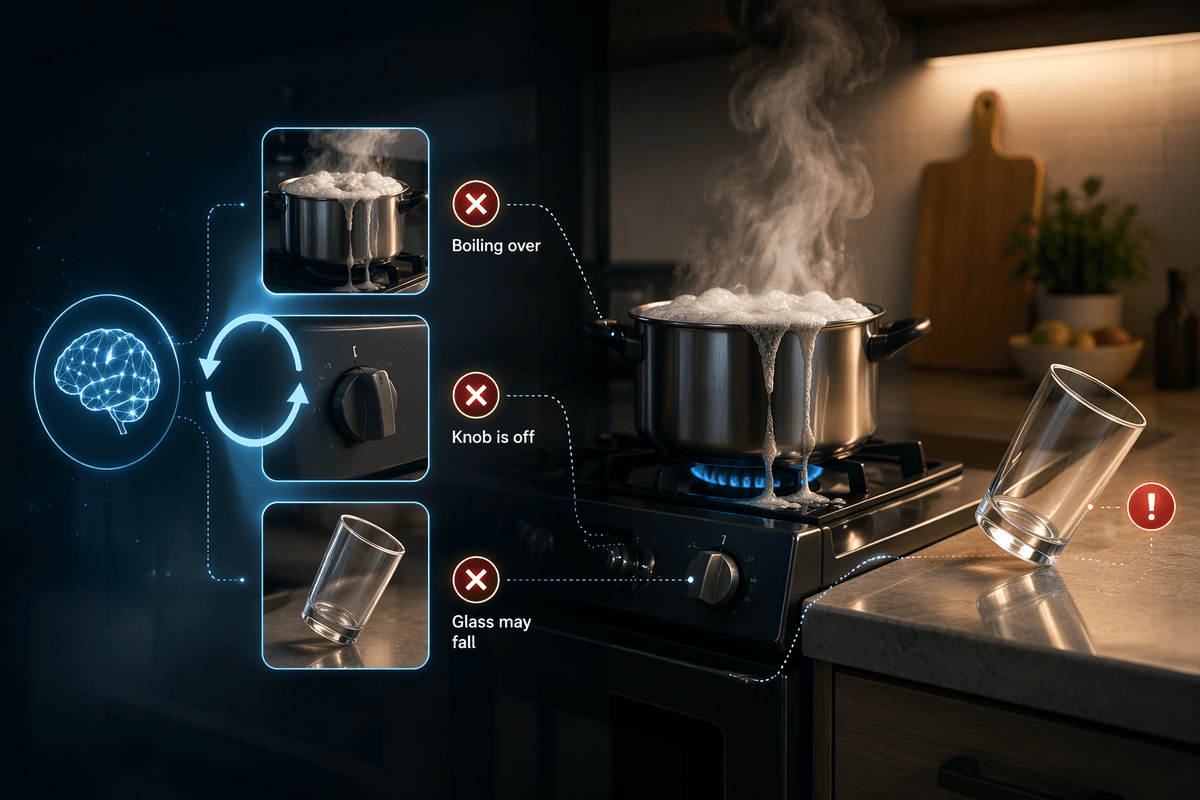
A familiar failure mode in computer vision isn’t that the model can’t recognize a stop sign or a face—it’s that it never “looks” where the important thing starts. A forklift edges into frame from the side, a child steps off the curb, a person reaches toward a restricted door, smoke begins pooling near a ceiling. Humans often notice these early cues without shifting attention, then decide whether to focus. Many vision systems, by contrast, behave like they’re staring through a narrow tube: strong performance in the center, weak awareness at the edges, and delayed reaction until the event is already obvious.
“Peripheral vision AI” is an attempt to close that gap by treating the outskirts of the scene as first-class information, not leftover pixels. The goal is not perfect recognition everywhere at once. It’s earlier detection of motion, entry, anomalies, and “something changed” signals that should trigger zoomed-in analysis or an alert. This matters most when timing is the product: collision avoidance, safety monitoring, human-robot interaction, and security workflows where seconds determine whether you prevent an incident or just record it.
More coverage can mean more camera resolution, more compute, higher latency, and higher battery drain on edge devices. It also raises the chance of false alarms—flags triggered by shadows, reflections, or harmless movement—which can quickly train operators to ignore alerts. Any real value from peripheral vision depends on balancing earlier notice against the practical overhead of processing more of the world, more of the time.
Peripheral vision AI vs normal computer vision: what changes
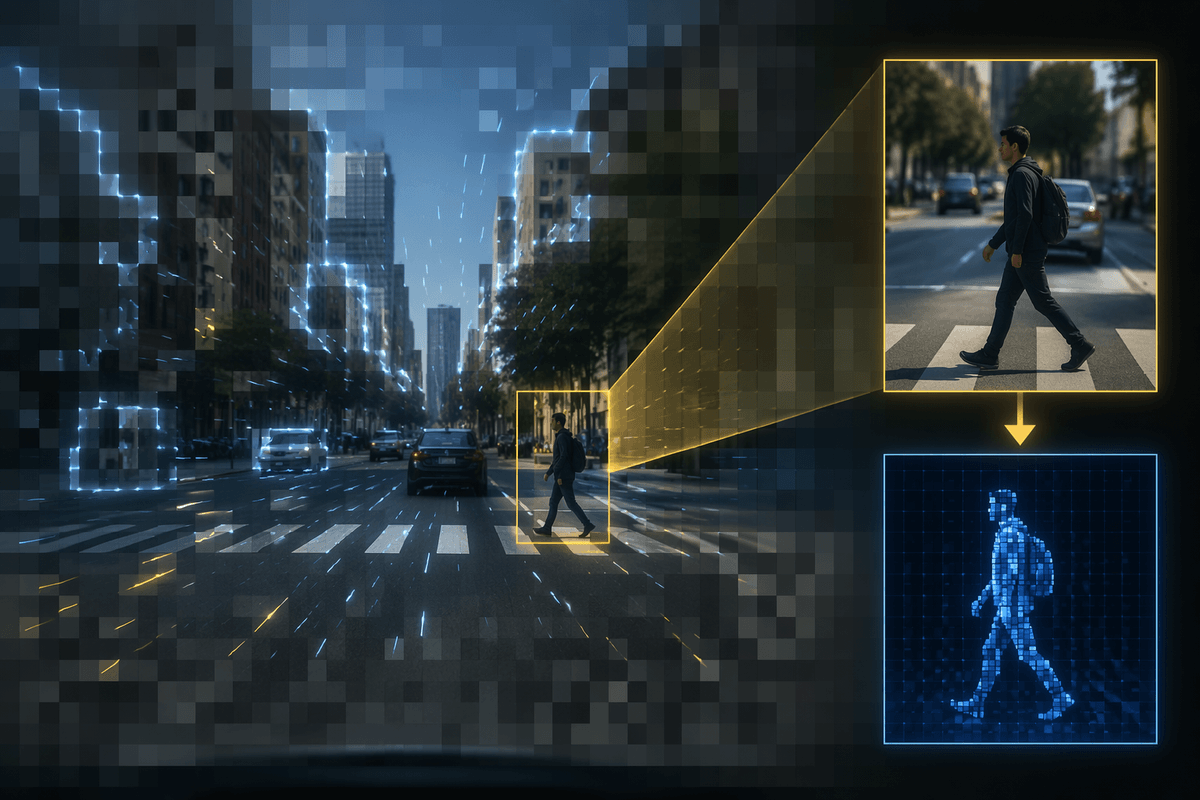
Think about how most “normal” computer vision gets deployed: you crop, center, and stabilize the thing you care about, then run a high-accuracy model on that region. It works well when the subject is already framed—faces at a doorway, products on a conveyor, a driver looking forward. But it’s brittle when the first cue is off to the side, partially visible, small, or fleeting. In practice, the system’s “world” is whatever the pipeline preserves after resizing, cropping, and compression.
Peripheral vision AI changes the job definition. It treats the full scene as a continuous source of weak signals—movement entering from edges, expanding smoke, an arm reaching in, a vehicle drifting—then uses those signals to decide where to spend expensive attention. That usually means accepting lower detail outside the main focus, and designing for “trigger and verify” rather than “recognize everything.” You’re now tuning thresholds, latency budgets, and alert rates, not just model accuracy on a benchmark.
The input problem: widening coverage without drowning in pixels
Anyone who has tried to “just use a wider camera” runs into the same math: doubling the field of view often means shrinking important details, and raising resolution to compensate explodes bandwidth and compute. A 4K stream can be easy to store but expensive to analyze frame-by-frame on an edge device that also has a power budget and thermal limits. Even in the cloud, higher pixel counts can mean higher latency and higher ongoing cost, especially when you need multiple cameras or always-on monitoring.
Most peripheral-vision pipelines solve this by treating pixels as a budget to allocate, not a fixed input. Common patterns include downsampling the full frame for cheap “change” detection, keeping a higher-resolution center crop, or running a fast, low-detail pass to propose regions of interest before paying for heavy detection. The more you compress the periphery, the more you miss small cues (a hand at the edge, a thin wisp of smoke), and the more you widen coverage, the more you must manage privacy, storage, and false-trigger cleanup.
How models mimic fovea-and-periphery attention in practice
In practice, systems mimic human “fovea plus periphery” by running two different kinds of vision at once: a cheap, wide pass that watches everything for hints, and a slower, higher-detail pass that only runs where it’s needed. The wide pass might be optical flow, background subtraction, frame-difference maps, or a lightweight network trained to notice entrances, motion boundaries, or unusual texture changes. It doesn’t need to name the object; it needs to say “pay attention here.”
Once the periphery flags a region, the pipeline “saccades” by allocating pixels and compute to that area: cropping, zooming, increasing frame rate, or switching to a larger model for classification, tracking, or pose. Some teams implement this with multi-scale feature pyramids or learned attention so the model can route detail internally, but the product behavior is similar: trigger, then verify.
Crops can jitter, small objects can vanish between frames, and the handoff adds latency. You also have to set thresholds that won’t turn swaying trees, screen flicker, or headlights into a constant stream of expensive re-checks.
Detecting “something’s happening” before knowing what it is
You’ve seen the pattern in real deployments: operators don’t need the system to immediately label “knife” or “intruder.” They need it to notice the early shift—someone entering from an edge, a crowd density change, a robot’s path being blocked—soon enough to decide whether to zoom, track, or notify. Peripheral vision AI treats these as pre-events: low-confidence cues that something in the scene’s dynamics no longer matches the recent baseline.
That usually means detecting motion where there “shouldn’t” be motion, changes that persist across a few frames, or movement that has an unusual direction or speed. Smoke is a good example: early smoke often looks like a faint texture change rather than a clear object, so a system that waits for a clean class label reacts late. The “something changed” is easy to trigger accidentally—lighting flicker, reflections, compression artifacts—so the system has to budget how often it escalates from a cheap watch mode into expensive verification.
Where expanded visual awareness pays off: four common scenarios
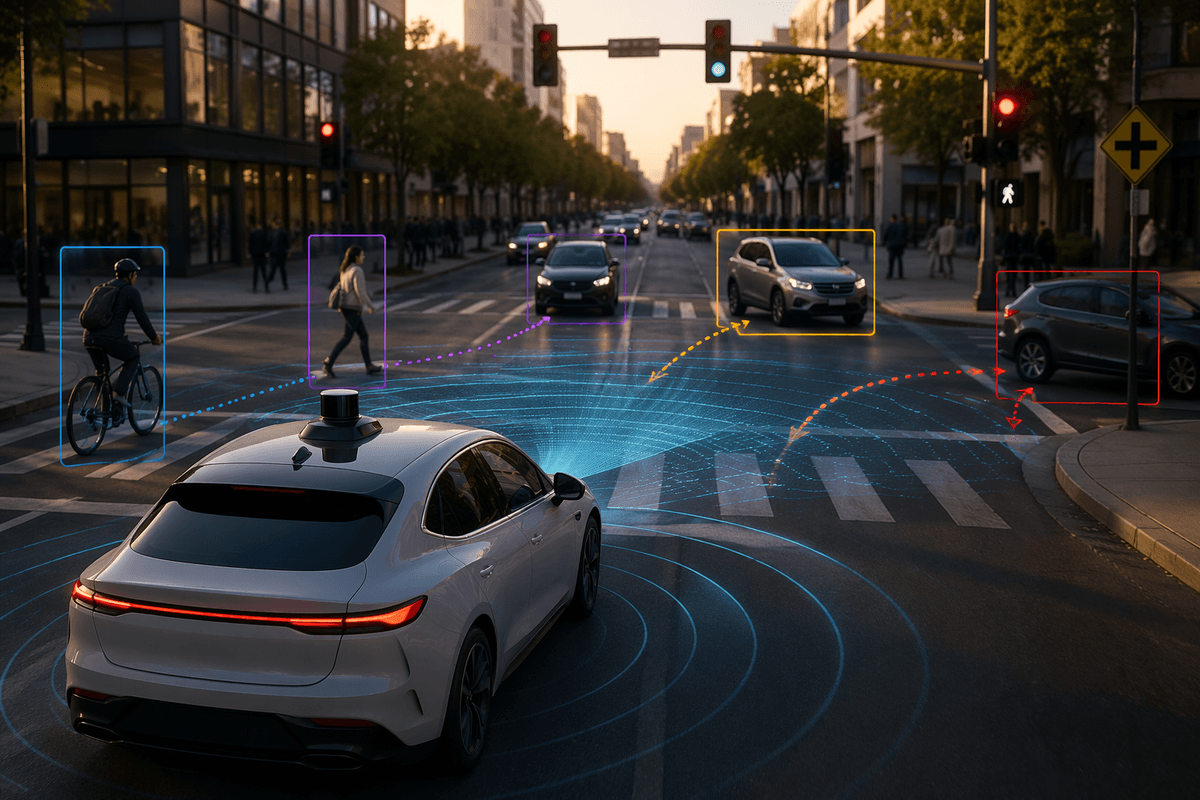
A common payoff is in assisted driving and mobile robotics: hazards often appear from the sides first. Peripheral signals can catch a cyclist entering, a pedestrian stepping off the curb, or a warehouse worker crossing a robot’s path before the main detector has a clean box, buying time for slowing, path replanning, or a “check mirrors” prompt.
Another strong fit is safety monitoring in facilities. Early smoke pooling near ceilings, a hand reaching into a guarded zone, or a person approaching a restricted door tends to start as partial, edge-of-frame motion. A wide, cheap watch pass can trigger a tighter verify step, rather than forcing high-detail inference everywhere.
Security and retail workflows benefit when the goal is triage, not perfect identification: loitering near exits, tailgating through access points, or crowd surges. If peripheral triggers are noisy, you pay in reviewer time and alert fatigue.
AR/VR and accessibility also gain from expanded awareness: nudges about obstacles, approaching people, or off-screen gestures. But these setups amplify privacy and battery costs, since “always-on” sensing is hard to hide and expensive to run.
Tradeoffs that decide success: latency, compute, and false alarms
Picture a safety monitor that reliably notices motion at the edge, but only after it buffers a second of video to run a heavier verify model. That delay can erase the whole benefit. Peripheral vision systems live or die on end-to-end latency: sensor capture, pre-processing, the cheap “watch” pass, then the zoomed-in inference and any tracking. Shaving 50–150 ms may require lower resolution in the periphery, fewer verify calls, or a smaller model—each of which can reduce what you catch.
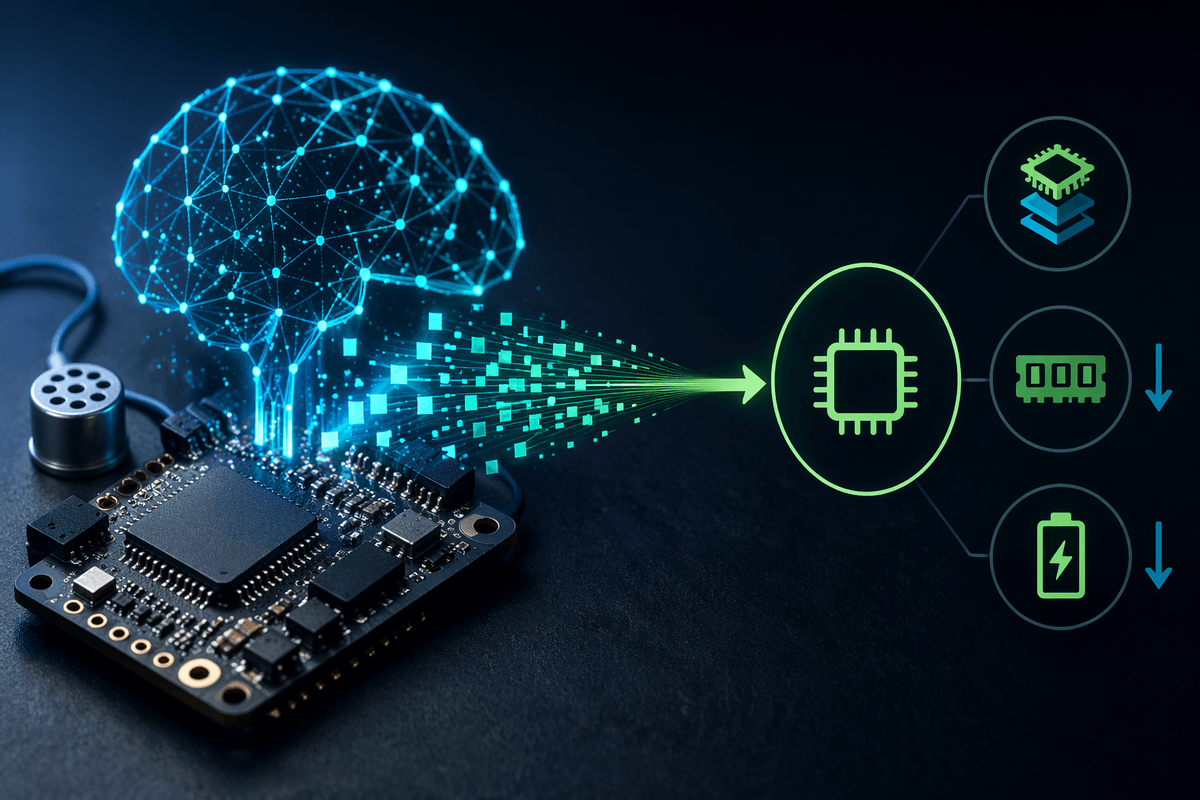
Compute is the ongoing bill. On-device, it’s battery, heat, and dropped frames when other tasks compete. In the cloud, it’s GPU minutes and network egress, multiplied by “always on.” Most teams end up implementing strict budgets: max escalations per minute, cooldown timers, and adaptive frame rates.
False alarms are the hidden tax. A system that flags reflections, rain, or shifting shadows forces humans to babysit it, and it also triggers more expensive verification, raising latency and cost. Success usually means tuning for “actionable” alerts, not maximum sensitivity.
How to test peripheral vision AI without fooling yourself
Testing peripheral vision AI starts with resisting the “center-crop comfort” of typical vision benchmarks. Build eval clips where the first meaningful cue begins at the edge, stays partial for a while, and competes with normal motion like people passing, screens flickering, or headlights sweeping. Score two things separately: time-to-first-trigger (did it notice early?) and time-to-verified-label (did it confirm without spiraling cost?).
Run long, boring footage on purpose. False alarms, cooldown behavior, and escalation budgets only show up over hours, not highlight reels. Measure alert rate per hour, operator dismiss time, and compute burn during noisy periods like rain or shift change. Finally, test “near misses” (harmless reaching, drifting carts, steam that isn’t smoke) so the system learns your real threshold for action, not just your tolerance for demos.