AlphaFold 3 is a breakthrough in the field of structural biology that will change the way protein structures are predicted by scientists. This brand new AI-based technology builds the achievements of its predecessors, making it faster to discover medicine, biology, and biotechnology and is much more precise and effective. Decoding the complexities of protein folding, AlphaFold 3 opens the path to new solutions to global health problems and a better insight into the processes in the cell.
What Is AlphaFold 3?

AlphaFold 3 is an artificial intelligence system which is capable of predicting the 3D structure of biological molecules with an astonishing accuracy. It was launched in 2024 by Google DeepMind, and it is a major advancement over AlphaFold 2, which already made the scientific community step down in surprise upon solving the protein-folding problem.
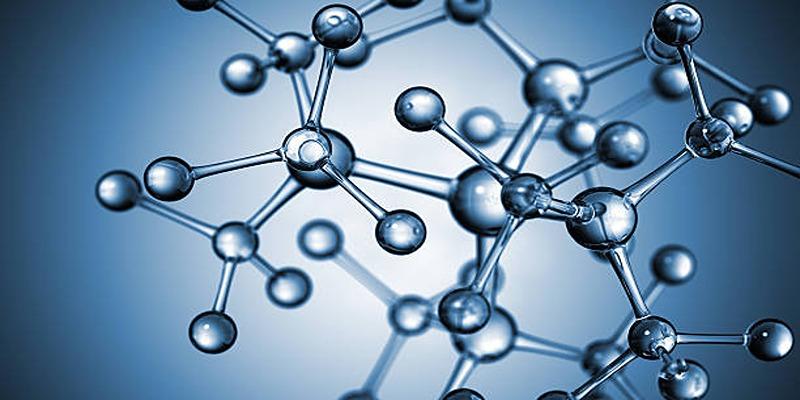
But AlphaFold 3 goes further. Though the previous one was mainly concerned with proteins, the most recent one could forecast the structure of almost all molecules found in life, and the interaction of these molecules with one another. These are protein binding with DNA, formation of complexes with proteins and antibodies binding with their targets.
The system is based on deep learning processes that have been trained with huge volumes of biologic data. It is able to come up with extremely precise forecasts within minutes- a feat that would be otherwise months or years of lab work.
Why Protein Structure Matters
The workhorses of biology are proteins. They accelerate chemical reactions, carry molecules, combat infections and support cells structurally. However, the activity of a protein all lies in its structure.
The diseases happen when proteins fold improperly. Protein misfolding has relations with Alzheimer, Parkinson and cystic fibrosis. The study of these structures aids scientists to come up with medicines that would have the potential to repair or avert these errors.
Classical techniques used to determine the structure of proteins are X-ray crystallography and cryo-electron microscopy. These are very strong methods that are time-consuming and costly. There are other proteins which are too hard to study by these means. A cheaper and faster option is available via AlphaFold 3.
Key Advances in AlphaFold 3
AlphaFold 3 has many areas in which it is better than previous versions:
Broader Molecular Scope
AlphaFold 3 has capabilities to model proteins, DNA, RNA, ligands, ions, as well as chemical modifications. It is this versatility that enables researchers to investigate entire biological systems and not isolated parts.
E.g. One can now predict the binding of a medicine molecule with its protein target, how a transcriptional factor will bind DNA to regulate gene expression, etc.
Improved Accuracy
The system attains new levels of accuracy in prediction of protein-ligand interactions- essential in medicine discovery. AlphaFold 3 had a large advantage over the traditional processes of docking in benchmark tests.
It is also proficient in the prediction of antibody-antigen structures which is crucial in the development of the new vaccines and immunotherapies.
Enhanced Interaction Modeling
Understanding how molecules interact is just as important as knowing their individual structures. AlphaFold 3 is able to predict complex assemblies comprising of multiple proteins and nucleic acids to understand how molecular machines work in cells.
Real-World Applications
AlphaFold 3 has the potential uses in various areas:
Understanding Disease
A significant amount of diseases is caused by protein malfunction. The AlphaFold 3 is useful in aiding scientists to visualize how specific mutations causing diseases influence protein structure and behavior.
Biotechnology and Enzyme Design
Enzymes are biological catalysts used in everything from laundry detergent to biofuel production. AlphaFold 3 can help engineers design enzymes with improved properties or entirely new functions.
Companies are exploring ways to create enzymes that break down plastics, capture carbon dioxide, or produce sustainable chemicals.
Agricultural Innovation
AlphaFold 3 can guide plant biologists to comprehend the role of crop proteins in disease resistance, nutrient uptake, and disease resistance. This might result in more climate change resistant crop and reduced pesticides.
Limitations and Challenges
Despite its impressive capabilities, AlphaFold 3 isn't perfect. The system can also give wrong prediction, especially on a protein that has unusual characteristics or ones that have incomplete evolutionary data.
Certain proteins are in nature flexible molecules, and they may take up multiple folds in response to their surroundings. AlphaFold 3 is usually only one structure, which might not be able to reflect this dynamic behavior.
The issues of access and equity also exist. Even though the predictions made by AlphaFold have been publicly available in a database provided by DeepMind, the computational resources of the framework are still costly. This may pose imbalances in well-financed institutions and smaller research groups.
The Broader Impact on Science
AlphaFold 3 is not only a technical accomplishment. It shows how artificial intelligence can be used to expedite scientific discovery in such a manner that was not imaginable before.
Thousands of research papers have been already made possible and new areas of inquiry have been realized with the use of the tool. It democratizes a field of science previously held by exclusive research laboratories because structural predictions can now be made available to scientists all over the world.
The success has prompted other areas of use of AI-driven methods, such as materials science and climate modeling. The moral of the story is that human knowledge attained by integrating machine learning will be able to address the issues that appeared to be unsolvable.
The Future Unfolds
Structural biology has a brighter future than ever. To combine AlphaFold 3 predictions with experimental data, researchers are doing so to establish methods that use the best concepts of both technologies.
The future versions would have time dynamics and would know not only what molecules appear like, but also how they move and evolve with time. This would yield more extracts about biological processes.
It is also becoming increasingly popular to consider using AlphaFold 3 and other AI applications to approach more big questions concerning cellular behavior and disease pathways. It may be interesting to consider modeling a complete signaling pathway or predicting cell responses to environmental changes.
Conclusion
AlphaFold 3 is transforming our understanding of life at the molecular level. With their ability to make correct structure prediction quicker and more convenient, it allows scientists to ask ambitious questions and pursue ambitious research. Supplementing, rather than substituting, conventional practices it assists researchers in concentrating on the most important. The future of andragogy AlphaFold 3 offers revolutionary medical, biotechnological, and other advancements on the strength of human curiosity and advanced technology: innovation.