In medicine, time is not just a factor; it is the currency of survival. The deployment of advanced computational systems—the tools often labeled AI—in healthcare has fundamentally shortened the timeline between a patient’s initial evaluation and a confirmed diagnosis. What once required long clinic waits, multiple tests, and hours of specialist review can now be compressed into minutes.
These systems achieve diagnostic velocity by doing three things that human clinicians struggle to scale: processing massive data volumes in seconds, finding subtle patterns invisible to the human eye, and streamlining the clinical workflow. This technology is not intended to replace the doctor, but to act as an incredibly fast, consistent, and tireless co-pilot, enhancing diagnostic accuracy and speed.
Accelerating the Image Read: Radiology and Pathology
The analysis of complex visual data—X-rays, CT scans, MRIs, and pathology slides—is one of the largest bottlenecks in traditional diagnosis. Computational systems are transforming this process through speed and sensitivity.
Instant Anomaly Detection
In radiology, algorithms can scan vast volumes of imaging data in real-time, instantly flagging subtle patterns and anomalies that might otherwise be missed during fast-paced human review.
Prioritization of Critical Cases: Systems perform a rapid "first read" on imaging studies. If they detect suspected acute or life-threatening findings—such as a pulmonary embolism or intracranial hemorrhage—they automatically prioritize that scan, pushing it to the top of the specialist's queue. This prioritization is crucial in emergency settings where every minute counts.
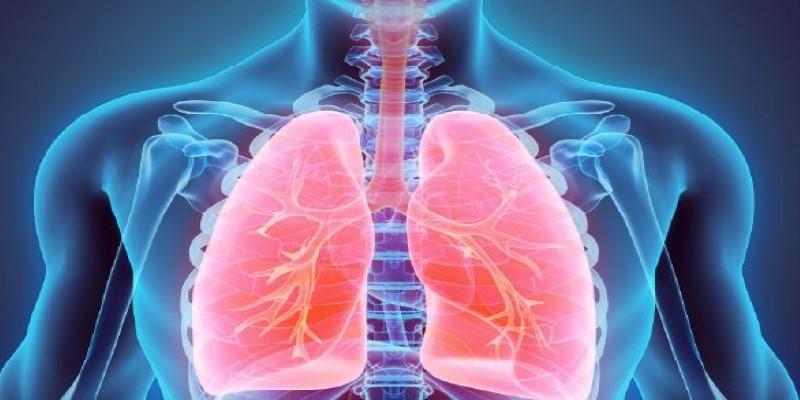
Enhanced Sensitivity: Analyzing millions of pixels, these tools can identify extremely small irregularities, such as tiny tumors or subtle fractures, with a level of precision that often matches or even exceeds human capabilities for specific tasks. This reduces diagnostic errors and helps detect diseases like cancer and pneumonia earlier.
Automating Slide Review in Pathology
Pathology—the analysis of tissue samples on slides—is traditionally time-intensive and subjective.
Quantitative Analysis: Systems analyze high-resolution digital pathology images to automatically detect malignant cells, grade tumors, count cells, and provide precise quantitative measurements (like tumor size). This standardizes diagnosis and reduces variability between different pathologists.
Workflow Efficiency: By automating the initial analysis and flagging areas of interest, the technology allows pathologists to remove 65% to 75% of non-critical slides from their manual review pile, drastically accelerating reporting and turnaround time for results.
Synthesizing Patient Data: Records and Biosignals
Diagnosis is rarely based on a single image; it requires synthesizing multimodal data—records, text notes, lab results, and real-time physiological signals. This is where the machine excels at managing complexity.
Extracting Insights from Unstructured Records
Electronic Health Records (EHRs) often contain rich, but unstructured, narrative text in physician notes, which is difficult for humans to quickly digest.
Natural Language Processing (NLP): Systems use NLP to convert this narrative, free-text data into structured, coded information. They extract symptoms, medication changes, and family history, creating a streamlined clinical summary that helps physicians form a differential diagnosis much faster.
Predictive Diagnostics and Early Warning Systems
Beyond simple detection, computational systems look into the future, enabling earlier intervention.
Risk Forecasting: By analyzing continuous patient data streams (labs, vitals, comorbidities), predictive models estimate the near-term likelihood of specific adverse events, such as sepsis onset or poor wound healing. This provides clinicians with an early alert window, often hours before traditional clinical criteria are met, allowing them to begin treatment sooner.
Wearables and Remote Monitoring: Systems analyze data from wearables and home sensors, expanding the data used for diagnosis beyond the hospital walls. This enables earlier detection of cardiac events or chronic disease progression before symptoms become obvious.
Enhancing the Clinician's Decision
The speed and accuracy of the diagnosis are further improved by giving the clinician better tools for real-time decision-making.
Clinical Decision Support Systems (CDSSs)
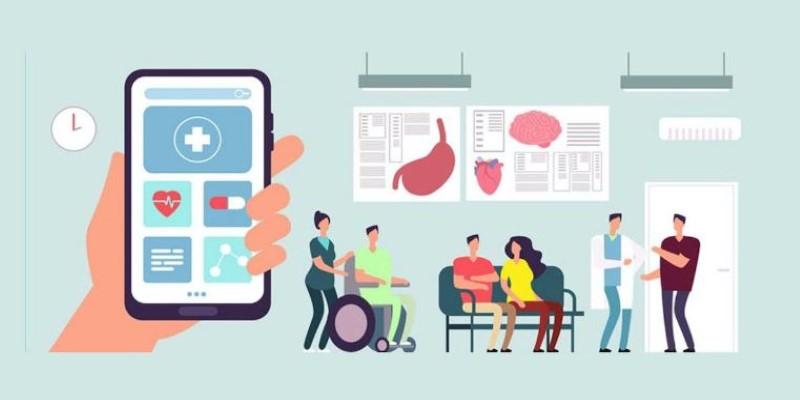
CDSSs augmented with these systems offer real-time suggestions and faster data interpretation directly to healthcare professionals.
Prioritization in Emergency: In busy emergency departments, algorithms can help prioritize more serious cases based on patient data, effectively triaging the queue and ensuring that the most critical patients receive attention first, reducing waiting time.
Diagnostic Consensus: By matching symptoms with diseases and leveraging massive data warehouses of millions of patient cases, the systems offer probable diagnoses to support the human doctor's decision-making.
Reduced Diagnostic Errors
By providing a constant, objective second opinion on images, lab data, and complex patient records, these computational tools significantly reduce the risk of human error. They ensure far greater consistency in diagnosis across different specialists, departments, and even hospital systems, preventing misinterpretation that often arises from fatigue, heavy workload, or subjective human judgment.
This enhancement provides a crucial safety net for every clinician, especially in high-pressure environments like the emergency room. Going through findings and catching subtle, easily overlooked anomalies, the systems elevate the overall reliability and objectivity of patient care. This ultimately leads to more precise and consistent treatment pathways.
The true revolution lies in the collaboration: the system handles the massive data and the first-pass detection, providing an objective, tireless second opinion on critical information. This frees the human doctor to focus on contextual understanding, ethical judgment, and complex case management, ultimately leading to faster and more successful patient outcomes.
This partnership elevates the entire standard of care, ensuring speed doesn't compromise accuracy and that critical decisions are supported by the best available data.
Conclusion
The deployment of advanced computational systems represents a massive step forward in the speed and precision of medical diagnosis. By automating the time-intensive tasks of image interpretation and synthesizing mountains of patient data, these tools significantly reduce diagnostic timelines, transforming the process from a slow, manual slog to rapid, predictive insight. This success is founded on continuous statistical analysis and the machine's ability to handle scale, speed, and consistency far beyond human capacity.